

The Daily Word
Hear the Daily Word on

Get the Daily Word in Your Inbox!
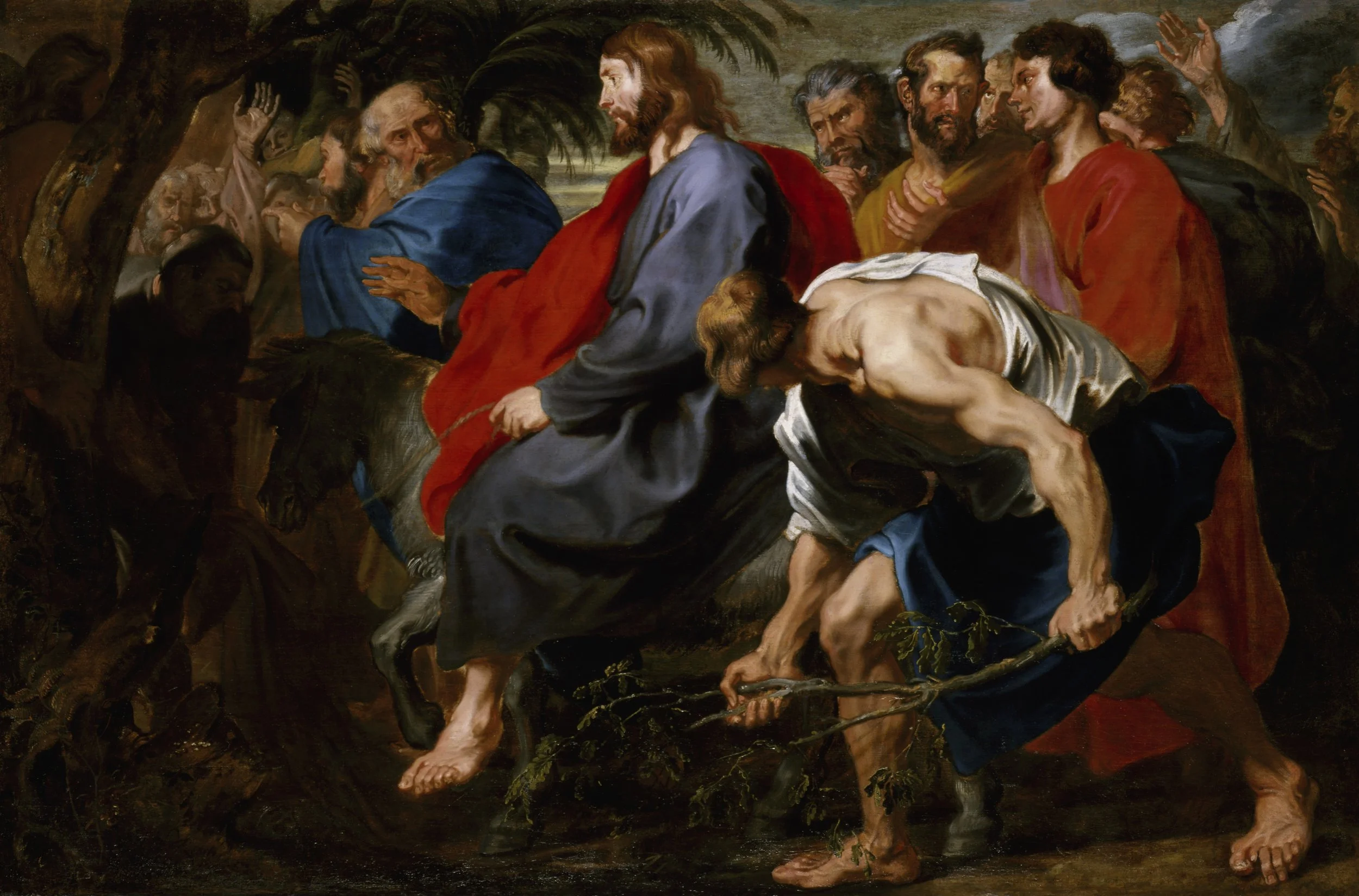
Entering the Kingdom
When Jesus entered Jerusalem for the final time before His Passion, He did so triumphantly and received a king’s welcome. The people welcomed Him and laid down palm branches and their cloaks, rolling out their version of a red carpet for Him. They knew this was someone different, someone special, someone royal.
“Hosanna! Blessed is he who comes in the name of the Lord! Blessed is the kingdom of our father David that is to come! Hosanna in the highest!”
Mark 11:9-10
When Jesus entered Jerusalem for the final time before His Passion, He did so triumphantly and received a king’s welcome. The people welcomed Him and laid down palm branches and their cloaks, rolling out their version of a red carpet for Him. They knew this was someone different, someone special, someone royal.
The people chanted, “Blessed is the kingdom of our father David that is to come!” They saw Jesus as the heir to David, the promised One of God, but they misunderstood the role of this king. Perhaps they thought this king from the line of David would free the Jews from Roman Rule, conquering their foes and restoring the Kingdom. But Jesus was not that kind of King for His “kingdom was not of this world.” Throughout His public ministry, Jesus spoke of the “Kingdom of God” or the “Kingdom of heaven” so the people must have placed their hope in Him. But, Jesus also spoke of the prophets and of the Law and how the Son of Man must suffer greatly. He also spoke of how one must forgive, love their enemies, and that one must deny themselves and carry their crosses. If the people listened closely, they would have had some idea that this Kingdom that Jesus preached is not the earthly, temporal kingdom that the people expected to be restored, but one that transcends space and time, the Kingdom that is Jesus Himself.
To receive Jesus into our hearts is to receive the Kingdom. However, the journey to receiving this Kingdom is not always easy as we well know – the challenges of faithful, intentional discipleship. When Jesus preached, “Repent, the Kingdom is at hand,” He is saying, “Repent and believe in me. I have come to set you free, to bring you into the Kingdom of my Father. In me you will have life eternal.”
The same people who cried “Hosanna!” and welcomed Jesus with a kingly welcome into Jerusalem may very well be the same ones who cried, “Crucify him!” a few days later after seeing that instead of seizing the throne, He has become a criminal on trial.
Do we cry out “Hosanna!” today and vow to follow Him to the Cross, knowing that the same Cross He was nailed to is the same Cross through which we are saved?
Lord, Jesus Christ, You are the King of my life!
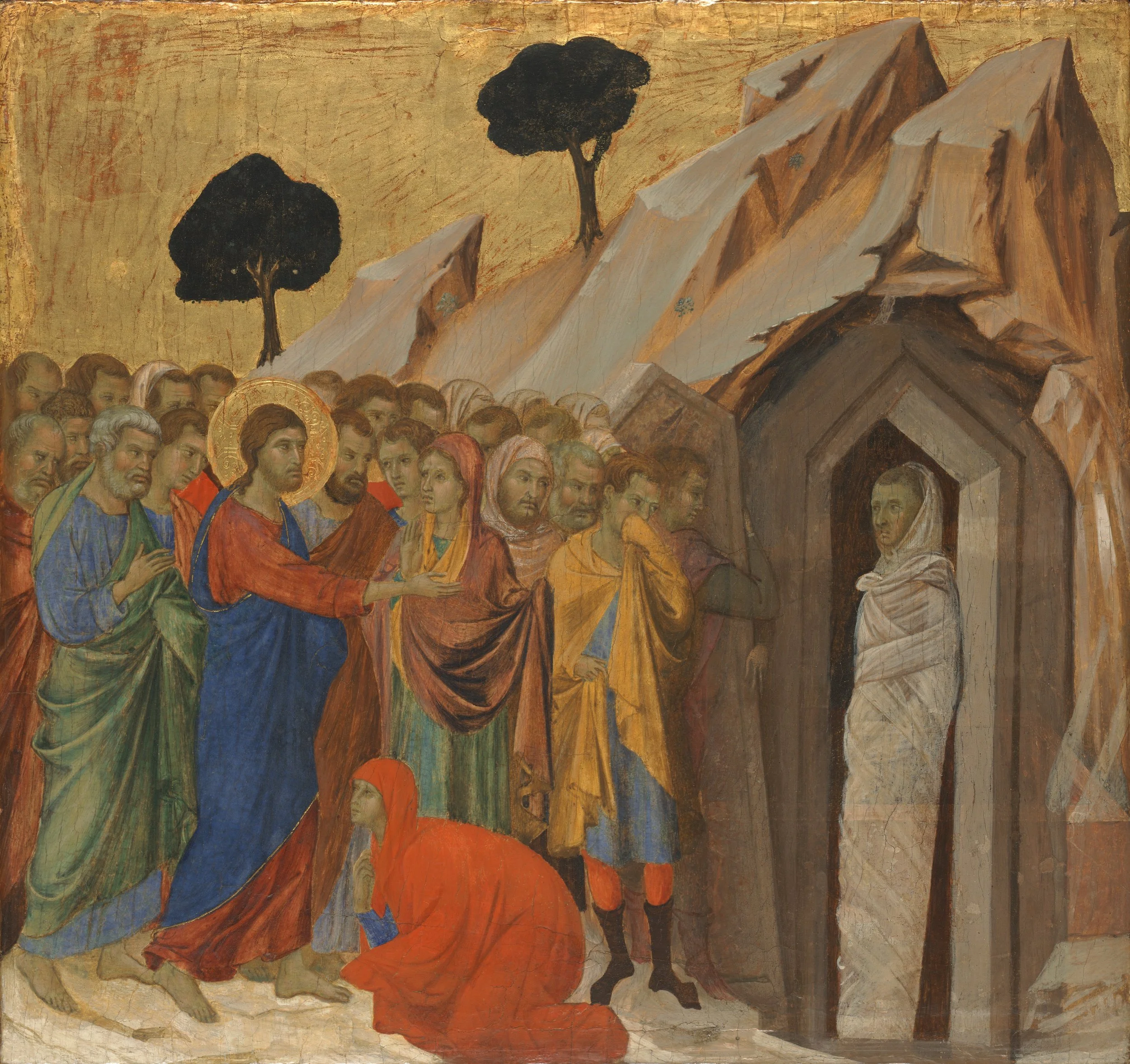
Life in Death
Death is never easy to accept, especially when it is untimely or could have been prevented. How sad it must be to believe that nothing exists beyond death. Could all there is to life be the decades we spend on earth? Could something so real, so good – our families, our friends, our experiences, the memories we create – really boil down to bones and flesh and ashes at the end? I am not convinced. There must be something more.
“‘I am the resurrection and the life; whoever believes in me, even if he dies, will live, and everyone who lives and believes in me will never die. Do you believe this?’”
John 11:25-26
Death is never easy to accept, especially when it is untimely or could have been prevented. How sad it must be to believe that nothing exists beyond death. Could all there is to life be the decades we spend on earth? Could something so real, so good – our families, our friends, our experiences, the memories we create – really boil down to bones and flesh and ashes at the end? I am not convinced. There must be something more.
When Jesus heard that His good friend, Lazarus, was on the brink of death, He stayed where He was for a few more days. This makes Jesus seem heartless. Jesus healed others and could perform miracles, why wouldn’t He rush to Lazarus’s side and heal him? This brings us back to last Sunday. God permits bad things because He will bring great good out of it. (Reminder: God permits bad things, He does not cause them). When Jesus finally gets to the home of Lazarus, Lazarus had already been in the tomb for a few days. His sisters Martha and Mary have been grieving and mourning. Jesus asks Martha if she believes that her brother will rise again. She said “I know he will rise, in the resurrection on the last day.” Jesus responds with “I am the resurrection and the life.” Perhaps Martha did not fully understand what that meant, but when Jesus asked if she believes it, she said yes. Little did she know that Jesus was about to call Lazarus out of the tomb. In Christ, the dead will rise again.
The world tries to convince us that all there is to life is this earthly life we have so we must live it to the full, doing whatever pleases us. But for Christians, we know that is not the truth. The world does not offer life. Jesus says He is the resurrection and the life. If we choose to follow Him and believe in Him, even if we die, we will live. Just as Jesus died and rose from the dead, we who are baptized will also rise.
Death is never the end. A mother who tragically dies in labor preserves the life of her child. A father dies shielding his son when a car crashes into them. With death comes life. Those who die also live. They share in the eternal life God has prepared for them and that which Jesus came to give. The question He asked Martha, He asks us today, “Do you believe this?”
Jesus, You are the resurrection and the life. In you there is no death. Teach me to live for life in You and with You.
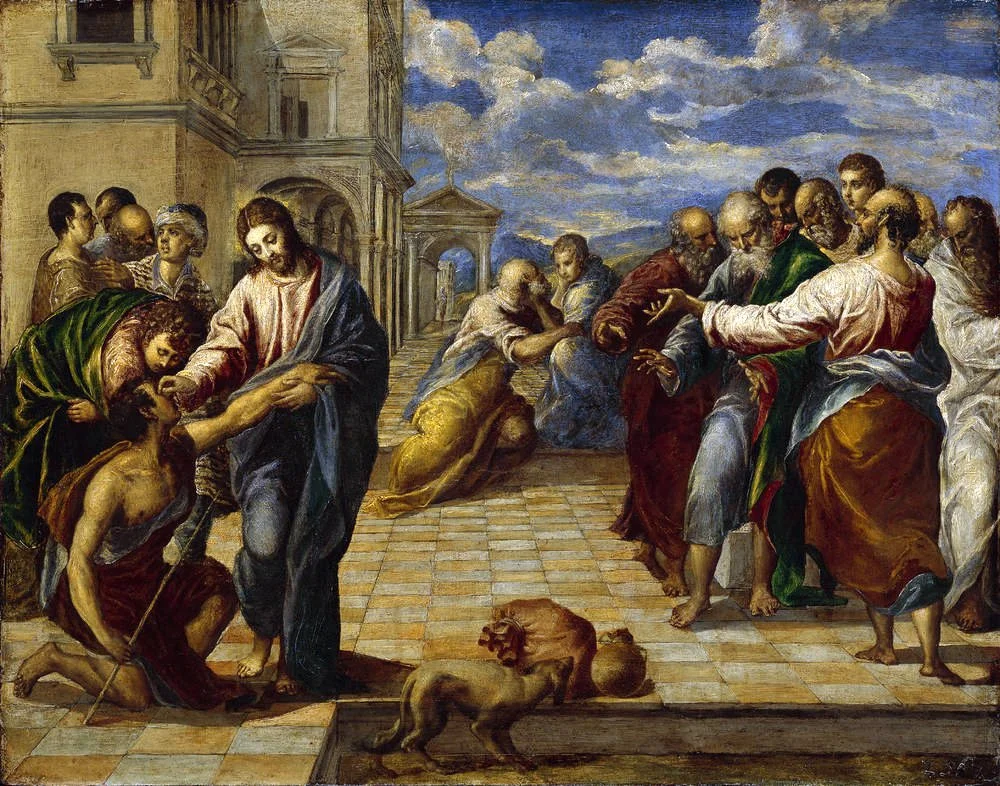
Avenue of Grace
Oftentimes instinctually we think that any misfortune or hardship is a punishment by some higher power for the bad things we may have done. This was also the Jewish understanding and explanation for those who are poor or sick or handicapped in any way. Either they sinned or someone in their family did and so God punished them for it by inflicting these hardships or infirmities. Jesus came to correct this understanding.
“‘Rabbi, who sinned, this man or his parents, that he was born blind?’ Jesus answered, ‘Neither he nor his parents sinned; it is so that the works of God might be made visible through him.’”
John 9:2-3
Oftentimes instinctually we think that any misfortune or hardship is a punishment by some higher power for the bad things we may have done. This was also the Jewish understanding and explanation for those who are poor or sick or handicapped in any way. Either they sinned or someone in their family did and so God punished them for it by inflicting these hardships or infirmities. Jesus came to correct this understanding.
Tragedies and tribulations are a natural part of life. God allows (not causes) them, but it does not mean He abandons the person in his suffering. In the Gospel, Jesus and His disciples come across a man blind from birth and they ask Jesus whether he sinned or his parents sinned. To their surprise, Jesus said that it was neither the man’s sins nor his parents’ that resulted in the blindness. In fact, Jesus does not really discuss the source of the blindness; instead, He speaks as to the potential why. Jesus said that the man’s blindness will be the lens through which God’s power might be made visible.
Jesus promises that God will bring good out of the blind man’s defect and imperfection. What seems as darkness will be filled with light. What is invisible will be made visible. In the same way, God made Himself visible through the incarnation of His Son, the Word made flesh.
The Son of God Himself was not protected from human suffering. The Father allowed His Son to suffer, not because He did not love Him, but because He knows He will bring great good out of it. The Almighty God could have intervened and stopped the betrayal or the scourging at the pillar or any of the unjust and cruel punishments brought upon Jesus, but He did not. God permits this evil and allows the natural consequence of the people to take course. The people plotted and schemed and sent Jesus to die. God permitted it. But God did not allow Jesus’s suffering and death to be in vain. Through the trials and sufferings Jesus endured, the salvation of the whole human race was won. Sin and death no longer had the final say.
God does not remove the pain and hardships that befall us, but He does give us the grace and strength to endure them. He sees us through our difficulties and brings something great out of them. Our faith may be increased. Our knowledge of God and of our ourselves may be deepened. God will always bring good out of evil. Our suffering is not meaningless if we join them with Jesus’s.
Grant me the grace to see You in my hardships, Lord.