

The Daily Word
Hear the Daily Word on

Get the Daily Word in Your Inbox!
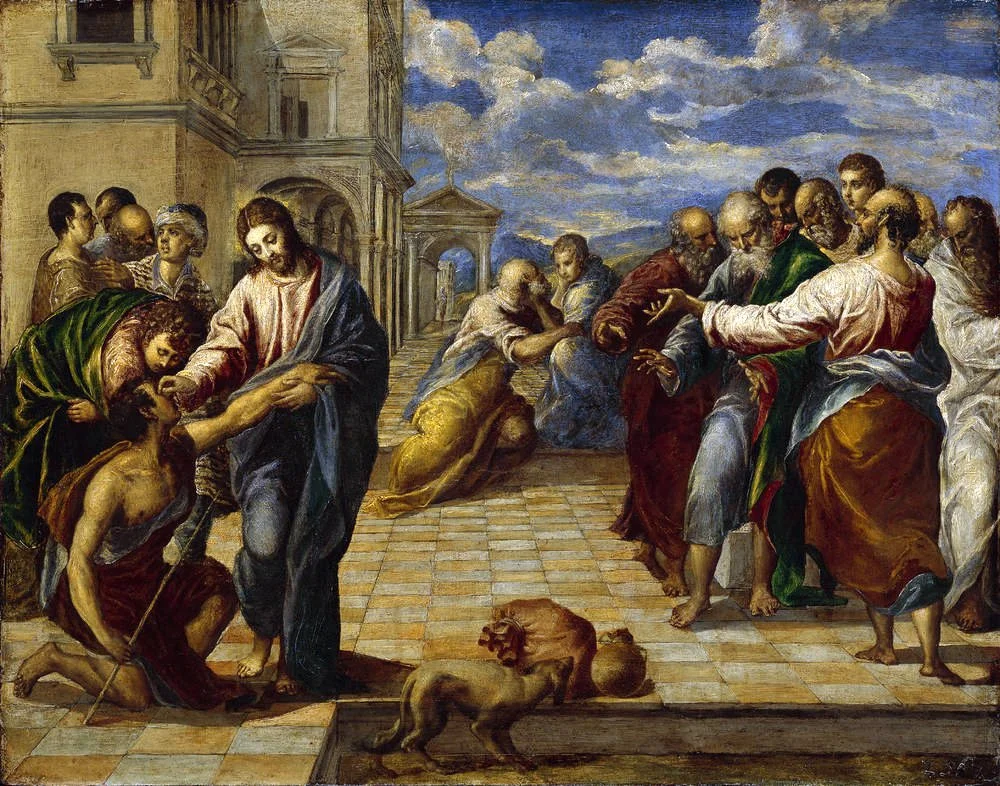
Avenue of Grace
Oftentimes instinctually we think that any misfortune or hardship is a punishment by some higher power for the bad things we may have done. This was also the Jewish understanding and explanation for those who are poor or sick or handicapped in any way. Either they sinned or someone in their family did and so God punished them for it by inflicting these hardships or infirmities. Jesus came to correct this understanding.
“‘Rabbi, who sinned, this man or his parents, that he was born blind?’ Jesus answered, ‘Neither he nor his parents sinned; it is so that the works of God might be made visible through him.’”
John 9:2-3
Oftentimes instinctually we think that any misfortune or hardship is a punishment by some higher power for the bad things we may have done. This was also the Jewish understanding and explanation for those who are poor or sick or handicapped in any way. Either they sinned or someone in their family did and so God punished them for it by inflicting these hardships or infirmities. Jesus came to correct this understanding.
Tragedies and tribulations are a natural part of life. God allows (not causes) them, but it does not mean He abandons the person in his suffering. In the Gospel, Jesus and His disciples come across a man blind from birth and they ask Jesus whether he sinned or his parents sinned. To their surprise, Jesus said that it was neither the man’s sins nor his parents’ that resulted in the blindness. In fact, Jesus does not really discuss the source of the blindness; instead, He speaks as to the potential why. Jesus said that the man’s blindness will be the lens through which God’s power might be made visible.
Jesus promises that God will bring good out of the blind man’s defect and imperfection. What seems as darkness will be filled with light. What is invisible will be made visible. In the same way, God made Himself visible through the incarnation of His Son, the Word made flesh.
The Son of God Himself was not protected from human suffering. The Father allowed His Son to suffer, not because He did not love Him, but because He knows He will bring great good out of it. The Almighty God could have intervened and stopped the betrayal or the scourging at the pillar or any of the unjust and cruel punishments brought upon Jesus, but He did not. God permits this evil and allows the natural consequence of the people to take course. The people plotted and schemed and sent Jesus to die. God permitted it. But God did not allow Jesus’s suffering and death to be in vain. Through the trials and sufferings Jesus endured, the salvation of the whole human race was won. Sin and death no longer had the final say.
God does not remove the pain and hardships that befall us, but He does give us the grace and strength to endure them. He sees us through our difficulties and brings something great out of them. Our faith may be increased. Our knowledge of God and of our ourselves may be deepened. God will always bring good out of evil. Our suffering is not meaningless if we join them with Jesus’s.
Grant me the grace to see You in my hardships, Lord.
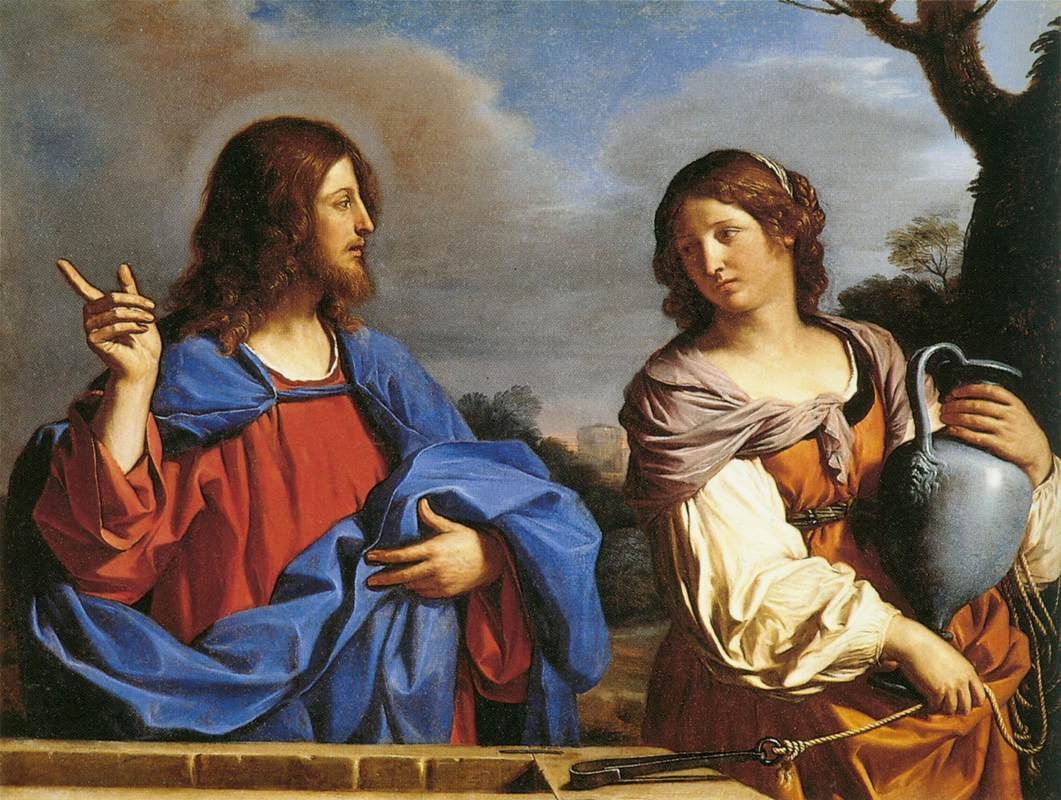
Water Jars
Who among us can say that we have not sinned or have not done something that we wish would not come into the light? We all have a past, but that past, no matter how much we sometimes wish could be erased, is a part of our story, a part of God’s story in our lives. We encounter the Samaritan woman at the well, who goes to draw water at a time of day when no one else is there so that she might not be shamed. She was an adulterer and the people knew it. It was not a good look to be with sinners, but Jesus not only remained in her presence, He also spoke with her, saying, “Give me a drink.”
“The woman left her water jar and went into the town and said to the people, ‘Come see a man who told me everything I have done. Could he possibly be the Christ?’”
John 4:28-29
Who among us can say that we have not sinned or have not done something that we wish would not come into the light? We all have a past, but that past, no matter how much we sometimes wish could be erased, is a part of our story, a part of God’s story in our lives.
We encounter the Samaritan woman at the well, who goes to draw water at a time of day when no one else is there so that she might not be shamed. She was an adulterer and the people knew it. It was not a good look to be with sinners, but Jesus not only remained in her presence, He also spoke with her, saying, “Give me a drink.”
The Samaritan woman was surprised that Jesus initiated conversation with her, perhaps for a couple of reasons: (1) She was a woman and (2) She was a Samaritan. Men did not usually speak with women, and Jews most certainly did not speak with Samaritans for they had a rocky relationship, to say the least. So, for Jesus to look into her eyes and speak to her was quite scandalizing, but it didn’t matter to Jesus. He looked at her with love, not judgement. He spoke with her to save her, not condemn her.
Perhaps for the first time in a long time she felt seen and heard and valued. Although Jesus knows her sins, He doesn’t call her by them. Instead, He invites her into relationship, one that goes beyond gender norms and religious or political factions. The woman was so moved that we are told she goes back to her town and tells the people about Jesus. This woman goes from trying to hide from everyone to now proclaiming Jesus at the rooftops, unafraid of being seen be all. This is the fruit of the freedom and peace that Jesus offers. With Jesus, the woman no longer needed to live in shame because of her sins for she knows she is not defined by them.
Before she left Jesus we are told she “left her water jar.” By leaving her water jar, she was also metaphorically leaving behind her sins, her shame, and everything else that kept her from living. A life knowing Jesus gives us the courage to leave behind those water jars we so desperately clutch onto to keep some sort of fake control that in reality holds us back from living fully and freely.
Jesus comes to offer us that peace and freedom. What are those water jars that I need to leave behind today?
Lord Jesus, You come not to condemn me but to set me free. Give me the courage to leave behind my water jars.
For another reflection on the Samaritan Woman at the Well, see this “Power of Encounter” and “For What Do We Thirst?”
For a deeper study of this powerful encounter, see previous year’s Lenten Conference, “Meeting Jesus at the Well.”
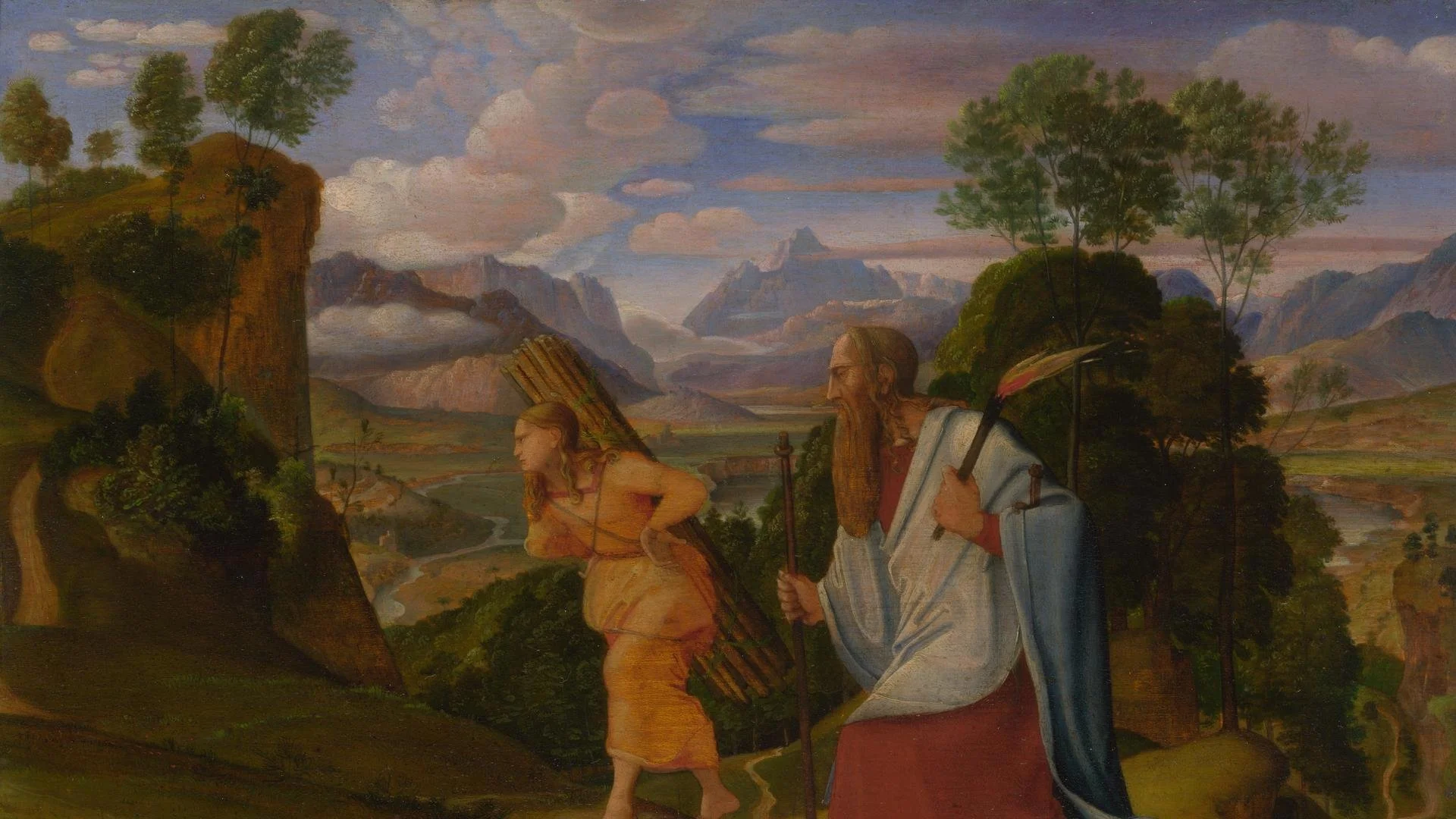
Faithful Obedience
No sooner after gifting a son to Abram and Sarai, God asks him to sacrifice him. On the surface it does not make any sense. Why would God ask Abram to take an innocent life? It is contrary to God’s nature. Whenever we read of these situations we must remember that God never contradicts Himself and Scripture can never contradict God.
“Abram went as the LORD directed him.”
Genesis 12:4a
Reflection for the Second Sunday of Lent from our Lenten devotional, “Return to Me.”
No sooner after gifting a son to Abram and Sarai, God asks him to sacrifice him. On the surface it does not make any sense. Why would God ask Abram to take an innocent life? It is contrary to God’s nature. Whenever we read of these situations we must remember that God never contradicts Himself and Scripture can never contradict God.
So, Abram (later Abraham), our “Father in Faith” is obedient and takes his son Isaac up the mountain. When Abram was about to sacrifice Isaac, the angel tells him to stop and to not lay a finger on the boy. Through Abram’s actions, God saw that he was faithful and obedient. Abram’s faithfulness is a reflection of God’s faithfulness.
Just as Abram was willing to sacrifice his son if it should be the will of God, the Father sent His only begotten Son into the world to save us from our sins by being nailed to the wood of the Cross. God will never ask of us what He would not do Himself.
We get a glimpse of this faithfulness in the Gospel where we recount the Transfiguration of the Lord on Mt. Tabor. Jesus brings Peter, James, and John up the mountain and He is transfigured before them and they saw Jesus in His glorified state. Moses and Elijah appeared before them. The three Apostles experienced heaven for a brief moment. They were told, “This is my beloved Son, listen to him.”
Just as Abraham was faithful like the Father, Isaac was obedient like the Son. That must be the relationship that exists between father and son. The parent has to be faithful in his or her commitment to the child, and the child must be obedient to the parent, trusting that whatever they say or do is for their good. This is how we must be with God.
Do we trust in God’s faithfulness? Do we believe that God will do what He has promised? Will we be obedient to the Father? Will we follow His Laws and His Words? Will we heed what He said to the Apostles, to listen to His Son, whom He has sent into this world for the salvation of souls?
The Father loves us so much that He did not spare His only begotten Son, and the Son loves the Father and us so much that He was obedient to His Father even unto death. May we have the courage to love and be obedient to the end.
Father, I know You are faithful, teach me to be obedient.