

The Daily Word
Hear the Daily Word on

Get the Daily Word in Your Inbox!

Created For God
From the very beginning of the story of humankind, we have been told that humans were made in the image and likeness of God. What does this mean? It means that God placed within our hearts, our souls, our very beings something that makes us distinctly us — His very breath, His very life. Hence, in the first Creation Account, when we read after every day of creation, God looked at what He had created and saw that it was good, it is only after creating man did God say “very good.” For this reason, the creation of man has been called the “apex of creation.” We are the only ones in the created order that God made for Himself. You were created for God.
“Everything indeed is for you,
so that the grace bestowed in abundance on more and more people may cause the thanksgiving to overflow for the glory of God.”2 Corinthians 4:15
From the very beginning of the story of humankind, we have been told that humans were made in the image and likeness of God. What does this mean? It means that God placed within our hearts, our souls, our very beings something that makes us distinctly us — His very breath, His very life. Hence, in the first Creation Account, when we read after every day of creation, God looked at what He had created and saw that it was good, it is only after creating man did God say “very good.” For this reason, the creation of man has been called the “apex of creation.” We are the only ones in the created order that God made for Himself. You were created for God.
At the time of creation, God placed Adam and Eve in charge of the garden, giving them dominion over creation, making them stewards of His creation. Everything was made for man, and man was made for God. Having dominion over something does not mean we are the boss and whatever we say goes. To have dominion over something means to care for it and to ensure that it is being used for the purpose God has created it. In other words, to have dominion over means, yes, to have authority over but also to have a responsibility to preserve it and guide it towards its end. Have we used the gifts God has given to us for the end to which God has intended? Have we used them for our selfish pleasure or have we used them in realizing the will of God for our lives?
We can sometimes forget how special we are in the eyes of God. We are the apple of His eye. We are His beloved sons and daughters whom He has redeemed with the price of the blood of His only begotten Son. The story of salvation is the story of humankind. From the very moment of the Fall, God promised a Savior (see Genesis 3:15). The Bible, the inspired Word of God, is the story of God’s love for and pursuit of His People. We are at the center of the story! It is the story that tells of the unique relationship between the Creator God and His Creation. It is a constant reminder that we are God’s people and that we were created out of love, with love, and for love — that we were created by God, for God.
Brothers and sisters, has this sunk in yet? We are God’s people! We are His very own. The infinite, eternal, almighty God has created us for Himself. He has created us to share in His divine life. May we never lose sight of this throughout the course of our pilgrimage here on earth. No matter how difficult things may be, we must remember that we were created for God, created for heaven. All the struggles here will lead us to heaven. Just as the Lord was with the disciples on the boat in the violent storm, He is with us through the storms of our lives and He will bring us safely to shore, the ultimate shore off of which we find His Father’s House, where He promises He has prepared a room for each one of us. If God has created us for Himself, He will indeed bring us to Himself. The only thing we must do is to let Him.
Watch this week’s reflection below.
Covenantal Love
On the Solemnity of the Most Holy Body and Blood of Christ or “Corpus Christi” we highlight one of the greatest mystery of our faith: the Eucharist. Coming from the Greek word ευχαριστία meaning “thanksgiving,” the Eucharist is the “source and summit of the Christian life” (Catechism of the Catholic Church 1324). The Eucharist is the “Bread of Life,” that which sustains us and nourishes. The Eucharist is Jesus Himself.
“For this reason he is mediator of a new covenant:
since a death has taken place for deliverance
from transgressions under the first covenant,
those who are called may receive the promised eternal inheritance.”Hebrews 9:15
On the Solemnity of the Most Holy Body and Blood of Christ or “Corpus Christi” we highlight one of the greatest mystery of our faith: the Eucharist. Coming from the Greek word ευχαριστία meaning “thanksgiving,” the Eucharist is the “source and summit of the Christian life” (Catechism of the Catholic Church 1324). The Eucharist is the “Bread of Life,” that which sustains us and nourishes. The Eucharist is Jesus Himself.
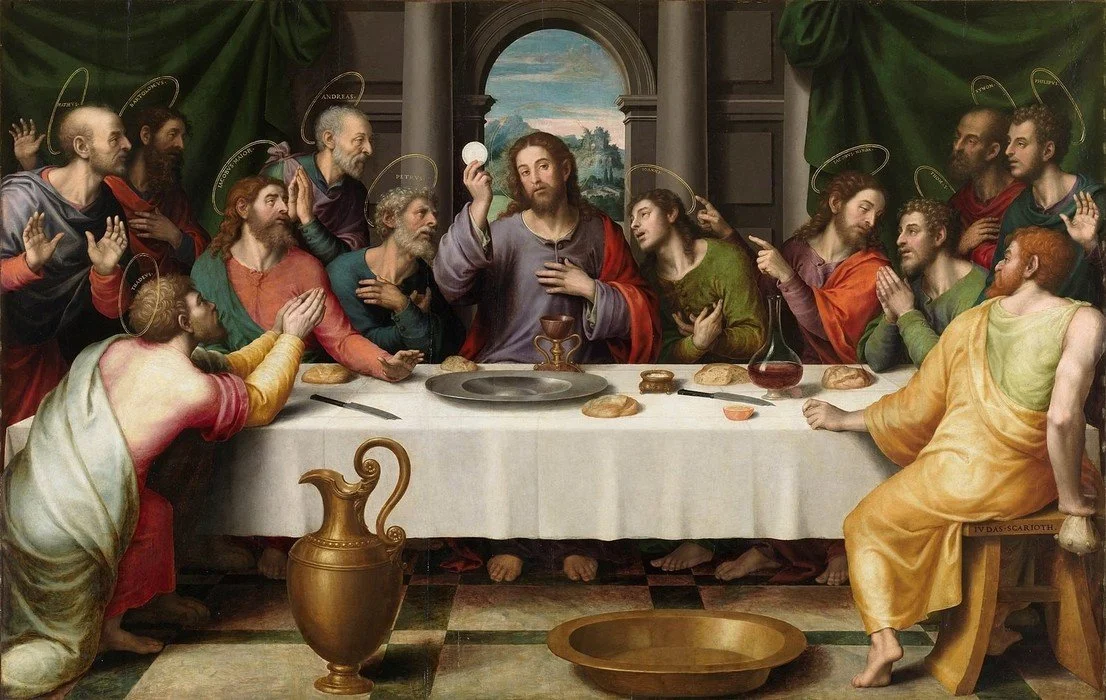
At the Last Supper Jesus took bread, blessed it, broke it, and gave it to His disciple and took the cup with the wine and said “this is the blood of the covenant.” Covenant. We hear often of covenants in the Old Testament — the covenant God made with Noah, Abraham, Moses, and David. When God gave the tablets containing the Ten Commandments, God made a covenant with the people, saying that they will be His People and He will be their God, their One and Only God. But, as we know the People became unfaithful and fell into sin and idolatry time and again, to the point of being captured by other nations and powers. They forgot about God, but God never forgot about them. God sent prophets to remind the people that God hears them and that He will deliver them from their captors and that they will rejoice once again. Although the Israelites abandoned their covenant with God, God remained faithful and in due time He made it new.
When the fullness of time had arrived, God sent His Son into the world so that all who believed and will come to believe might be saved. God became man and suffered and died, so that just as the blood of the lamb on the doorposts prevented the angel of death from killing the firstborn that first Passover night, so too the blood of the True Lamb of God will save His People from death once and for all. Jesus Christ is the Paschal Lamb that was sacrificed for us so that we who were dead in sin might have life, life eternal. That was the price of God’s love for us, a ransom He willingly paid. We are inheritors of the New Covenant. We who are baptized are given a share of the inheritance of Jesus, and this inheritance of Christ is eternal life, the dare to be co-heirs with Him. But to be co-heirs we must remain steadfast in Christ, and knowing that the world will try to sway us away from our inheritance, He chose to remain with us in a tangible way, a way that reminds us that He is always with us, that He is the source of our lives, and that He seeks to sustain us and nurture us — and that is the Eucharist, the Bread of Life, Jesus Christ Himself. He is the New Covenant, and how blessed are we to be invited to be partakers in His covenant of love.
Watch this week’s reflection below.
Mystery of God
As Christians we believe in a Trinitarian God, that is One God, Three Divine Persons — Father, Son, and Holy Spirit. We have come to know that God is a Trinity through divine revelation — Scripture and Tradition. It is not something that we can test or prove, but rather a mystery that invites us to wonder.
“For you did not receive a spirit of slavery to fall back into fear, but you received a Spirit of adoption,
through whom we cry, ‘Abba, Father!’”Romans 8:15
As Christians we believe in a Trinitarian God, that is One God, Three Divine Persons — Father, Son, and Holy Spirit. We have come to know that God is a Trinity through divine revelation — Scripture and Tradition. It is not something that we can test or prove, but rather a mystery that invites us to wonder.
When we ponder the mystery of the Trinity we are really pondering the nature of God. The Trinity exists as a community, a community of Persons. St. Augustine taught that the Father is the Lover, the Son is the Beloved, and the Holy Spirit is the Love that exists within that relationship. Love is only possible within a relationship and a relationship exists only between persons. So, God is a community of Persons who are in relationship with One Another, and this relationship is love. But, this Community of Love is not closed off, but rather God sent His Son into this world so that we too might become partakers in this special relationship.
By virtue of our baptism, we have been made children of God. We have become “heirs and coheirs with Christ,” meaning that whatever the Father gives to the Son, He also gives to us. We have been invited to partake in the very life of God. As such, we have been asked to partake in this life, living out this love in our lives in this world. It is not always easy. It is a choice that we must make every day — to choose love and to choose to see how God sees things, situations, and people, even those whom we do not like, every day. But we know God will give us the grace that we need to do so. That’s part of the mystery of God’s love, too. That He thinks so highly of us that He would call us His children and to love us unconditionally and to sustain us in all that we do and to forgive us and bear with us even when we do the most egregious of things.
May we never forget the great Love that God is and the love with and for which He has created us, and allow that to encourage us to live out our lives, choosing every day to love.
For another Trinity Sunday reflection, click here.
Watch this week’s reflection below.